Effective Construction Waste Disposal in Kenton

Construction projects in Kenton generate a significant amount of waste, ranging from debris and rubble to hazardous materials. Proper disposal of this waste is essential not only for environmental sustainability but also for complying with local regulations. Efficient construction waste disposal ensures that the site remains safe, the surrounding environment is protected, and resources are utilized responsibly.
One of the primary challenges in construction waste management is categorizing and segregating different types of waste. By doing so, recyclables can be separated from non-recyclables, reducing the amount of waste sent to landfills and promoting recycling and reuse.
Local regulations in Kenton mandate specific protocols for disposing of construction waste. Contractors and builders must stay informed about these regulations to avoid penalties and contribute to environmental conservation efforts.
Understanding Construction Waste Types
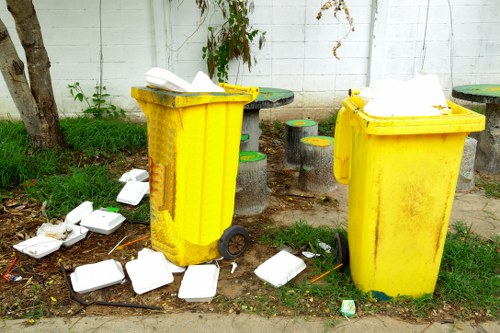
Construction waste can be broadly categorized into several types:
- Concrete and Masonry Debris: Includes leftover concrete, bricks, and other masonry materials.
- Wood Waste: Surplus wood from framing, subfloors, and other construction elements.
- Metals: Scrap metal from structures, plumbing, and electrical installations.
- Drywall: Offcuts and damaged drywall materials.
- Hazardous Waste: Materials such as asbestos, lead-based paints, and certain chemicals.
Proper identification and segregation of these waste types facilitate more efficient disposal and recycling processes.
Implementing a waste management plan at the onset of a project can streamline the disposal process, minimize environmental impact, and reduce overall costs.
Regulations and Compliance in Kenton
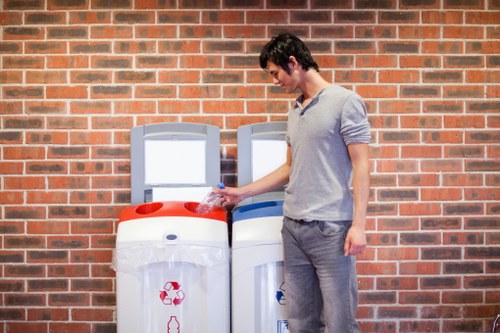
Kenton has established specific regulations governing construction waste disposal to ensure environmental protection and public safety. These regulations dictate how different types of waste should be handled, stored, and transported.
Permits and Licensing: Contractors must obtain the necessary permits for waste disposal. This includes licenses for transporting and disposing of hazardous materials.
Disposal Standards: There are strict standards regarding the disposal of construction waste, particularly for hazardous materials. Non-compliance can result in hefty fines and project delays.
Best Practices for Construction Waste Disposal

Adopting best practices in construction waste disposal can lead to more sustainable and cost-effective projects. Here are some key strategies:
- Waste Minimization: Plan the project meticulously to reduce the amount of waste generated.
- Segregation at Source: Separate different types of waste right at the construction site to facilitate recycling.
- Recycling and Reuse: Partner with local recycling centers in Kenton to process recyclable materials.
- Proper Storage: Store waste securely to prevent environmental contamination and ensure safety.
- Regular Training: Educate workers about proper waste disposal techniques and the importance of compliance.
Implementing these practices not only ensures compliance but also contributes to the overall efficiency and sustainability of construction projects.
Moreover, maintaining clear records of waste disposal can aid in audits and demonstrate a commitment to environmental stewardship.
Recycling Opportunities in Kenton
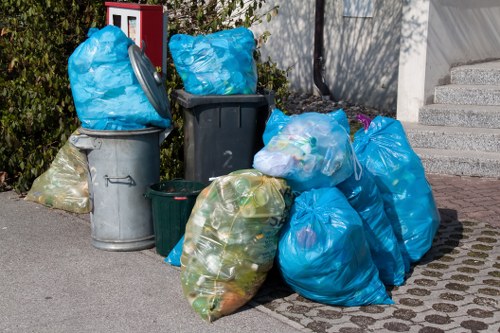
Kenton offers various recycling facilities equipped to handle different types of construction waste. Leveraging these facilities can significantly reduce the environmental footprint of construction activities.
Concrete and Masonry Recycling: Crushed concrete can be reused as a base material for roads and other construction projects.
Wood Recycling: Reclaimed wood can be repurposed for new construction or used in ornamental applications.
Metal Recycling
Metals such as steel and aluminum are highly recyclable and can be melted down and reused in new construction materials. Recycling metals not only conserves natural resources but also reduces the energy required for producing new metals.
In Kenton, several facilities specialize in processing scrap metals, ensuring that they are efficiently recycled and reintroduced into the supply chain.
Additionally, engaging with local recycling companies can provide insights into the best methods for handling specific types of metal waste, maximizing recycling potential.
Regular collaboration with these facilities can lead to more streamlined waste management processes on construction sites.
Ultimately, recycling metals contributes to a circular economy, where materials are continuously repurposed, reducing the need for virgin resources.
Hazardous Waste Management
Handling hazardous construction waste requires stringent protocols to ensure safety and compliance with regulations. Proper disposal methods prevent environmental contamination and protect public health.
In Kenton, disposing of hazardous waste often involves specialized facilities that can safely process materials like asbestos, lead-based paints, and certain chemicals.
Contractors must follow specific guidelines for packaging, labeling, and transporting hazardous waste to these facilities. Failure to comply can result in severe legal consequences and environmental harm.
Training workers on the proper handling of hazardous materials is crucial to maintaining a safe and compliant construction site.
By adhering to these protocols, construction companies can mitigate risks associated with hazardous waste and contribute to a healthier environment.
Environmental Impact of Construction Waste
The improper disposal of construction waste can have significant environmental repercussions. Landfills increasingly bear the burden of excess construction debris, leading to land and water pollution, and contributing to greenhouse gas emissions.
Recycling and reusing materials help minimize these negative impacts by reducing the volume of waste sent to landfills and conserving natural resources.
Moreover, sustainable waste management practices support the broader goals of environmental preservation and combating climate change.
Economic Benefits of Proper Waste Disposal
Efficient construction waste disposal can lead to substantial economic advantages for both contractors and clients. Reducing waste minimizes disposal costs and can even generate revenue through recycling programs.
By reusing materials, construction companies can lower material costs and offer more competitive pricing to clients.
Additionally, compliance with waste disposal regulations avoids potential fines and legal fees, contributing to overall project profitability.
Cost Savings through Recycling
Recycling construction waste can lead to significant cost savings. Materials like metal, concrete, and wood can be sold to recycling facilities, offsetting disposal costs.
Moreover, sourcing recycled materials for use in new projects can reduce procurement expenses and promote sustainable building practices.
Adopting a recycling-centric approach can also enhance a company's reputation, attracting environmentally conscious clients and partners.
Ultimately, these cost savings can be reinvested into the business, fostering growth and long-term sustainability.
By embracing recycling, construction companies can create a win-win scenario, benefiting both their bottom line and the environment.
Choosing the Right Waste Disposal Partner in Kenton
Selecting a reliable waste disposal partner is crucial for the success of construction projects in Kenton. A reputable partner ensures that waste is handled efficiently, safely, and in compliance with local regulations.
Factors to consider when choosing a waste disposal partner include:
- Experience: Proven expertise in managing construction waste.
- Compliance: Adherence to Kenton's waste disposal regulations.
- Recycling Capabilities: Ability to recycle and repurpose various types of waste.
- Service Range: Availability of services tailored to specific project needs.
- Customer Support: Responsive and knowledgeable support team.
Partnering with a trusted waste disposal company can streamline the waste management process, allowing construction teams to focus on their core activities.
Moreover, a good partner can offer valuable insights and solutions for optimizing waste management practices on-site.
Innovations in Construction Waste Disposal
The construction industry is continually evolving, with innovations aimed at improving waste disposal methods. Advanced technologies and sustainable practices are paving the way for more efficient and eco-friendly waste management.
Automated Sorting Systems: Utilize machinery to sort waste materials more accurately and efficiently.
Waste-to-Energy Technologies: Convert non-recyclable waste into usable energy, reducing landfill dependency.
Smart Waste Management Solutions
Integrating smart technologies into waste management can enhance tracking and reporting, ensuring transparency and accountability in construction waste disposal.
GPS tracking of waste transport vehicles, real-time monitoring of waste levels, and automated reporting systems are some examples of smart solutions being adopted in Kenton.
These technologies facilitate better planning and resource allocation, leading to more efficient waste management processes.
Additionally, data-driven insights can help identify areas for improvement, fostering continuous enhancement of waste disposal practices.
Embracing these innovations positions construction companies at the forefront of sustainable and efficient waste management.
Future Trends in Construction Waste Disposal
The future of construction waste disposal in Kenton is poised for significant advancements, driven by increased environmental awareness and technological progress.
Circular Economy Models: Emphasize the reuse and recycling of materials, minimizing waste generation.
Advanced Recycling Technologies: Develop more efficient methods for processing and repurposing construction waste.
Increased Regulatory Standards
As environmental concerns escalate, regulations surrounding construction waste disposal are expected to become more stringent. This trend will likely drive the adoption of more robust waste management practices.
Construction companies must stay ahead by implementing proactive waste reduction and recycling strategies to meet evolving regulatory demands.
Investing in sustainable waste management solutions will not only ensure compliance but also enhance corporate reputation and market competitiveness.
Moreover, fostering a culture of sustainability within construction teams can lead to innovative approaches and continuous improvement in waste disposal practices.
The integration of these trends will shape the landscape of construction waste disposal, promoting a more sustainable and efficient industry in Kenton.
Benefits of Sustainable Construction Waste Disposal
Adopting sustainable construction waste disposal practices offers numerous benefits, both environmentally and economically.
Environmental Preservation: Reduces pollution, conserves natural resources, and mitigates climate change impacts.
Economic Efficiency: Lowers disposal and material costs, and opens new revenue streams through recycling.
Enhancing Corporate Responsibility
Implementing sustainable waste disposal practices demonstrates a commitment to corporate social responsibility. This can enhance a company's reputation, attract environmentally conscious clients, and foster trust within the community.
In Kenton, companies that prioritize sustainability are often viewed more favorably, providing a competitive edge in the market.
Moreover, sustainable practices can lead to long-term cost savings and operational efficiencies, contributing to the overall success and resilience of construction businesses.
By integrating sustainability into their core operations, construction companies can create lasting positive impacts on both the environment and their bottom line.
Ultimately, sustainable waste disposal is not just a regulatory requirement but a strategic advantage in today's eco-conscious market.
Tips for Effective Construction Waste Management
Managing construction waste effectively requires careful planning and execution. Here are some practical tips to enhance waste management on your projects in Kenton:
- Develop a Waste Management Plan: Outline how waste will be handled, segregated, and disposed of throughout the project lifecycle.
- Engage Stakeholders: Involve all team members in understanding and adhering to waste management protocols.
- Monitor Waste Generation: Keep track of the amount and types of waste generated to identify opportunities for reduction.
- Optimize Resource Use: Purchase materials in quantities that match project needs to prevent excess waste.
- Partner with Local Recyclers: Collaborate with Kenton-based recycling facilities to ensure efficient processing of recyclable materials.
Implementing these tips can lead to more effective waste management, reducing environmental impact and enhancing project efficiency.
Additionally, regular reviews and updates to the waste management plan can help address emerging challenges and incorporate new best practices.
Conclusion
Construction waste disposal in Kenton is a critical aspect of sustainable building practices. By understanding the types of waste, adhering to local regulations, and implementing best practices, construction companies can effectively manage their waste, minimize environmental impact, and achieve economic benefits.
Embracing recycling opportunities, leveraging innovations, and partnering with reliable waste disposal services further enhance the efficiency of waste management processes.
As the industry moves towards more sustainable models, prioritizing effective construction waste disposal will remain paramount for the success and reputation of construction projects in Kenton.
Take Action Today
Don’t let construction waste management overwhelm your project. Contact us today to learn how we can assist you in implementing efficient and sustainable waste disposal solutions in Kenton.
Ready to Make a Difference?
Enhance your construction project's sustainability and efficiency. Book your service now and take the first step towards responsible waste management.